⚙️ What is RPI? – Understanding Robotic Process Integration
In the age of automation, industries are constantly searching for ways to make operations faster, smarter, and more reliable.
That’s where RPI – Robotic Process Integration comes into play.
🤖 What Does RPI Mean?
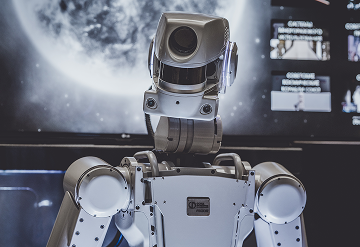
Robotic Process Integration (RPI) refers to the connection and coordination of robots, software, and data systems within an industrial environment.
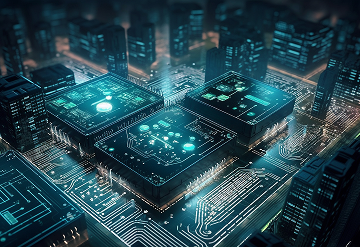
It’s not just about automating a single task — it’s about creating a seamless ecosystem where machines, sensors, and control software communicate effortlessly.
In simple terms, RPI enables robots to work intelligently and collaboratively across an entire production line.
🔗 How RPI Works
RPI integrates robotic arms, sensors, PLCs, and data platforms through secure communication protocols.
This integration allows:
- Real-time monitoring and data exchange
- Adaptive control of robotic operations
- Predictive maintenance through analytics
- Centralized management of multiple robots
By connecting every layer of automation, RPI turns individual robots into part of a smart manufacturing network.
⚡ Why Is RPI Important for Modern Industry?
RPI plays a vital role in Industry 4.0, where factories evolve into intelligent, data-driven systems.
It helps businesses:
- Increase productivity and precision
- Reduce downtime through real-time feedback
- Minimize human error
- Scale production efficiently
With proper integration, robots no longer just execute commands — they think, learn, and collaborate within a digital ecosystem.
🌍 The Future of RPI
As automation expands, RPI will continue to be a foundation for smart factories and connected industries.
Combining AI, IoT, and robotics, it represents the next big leap in digital transformation.
At Meta Row, we design and develop RPI solutions that help businesses transition smoothly into the world of intelligent automation — where performance, safety, and efficiency meet innovation.